




Signs You Might Have Gum Disease (And What to Do Early)
 Most people think of gum disease as something that happens to other people. The truth is, it is one of the most common oral health conditions adults face, and it often develops quietly, without much pain or obvious warning. By the time it feels serious, it may already be progressing.
The good news is that early gum disease is very treatable. At Gentle Dental Care in Cape May Court House, Dr. Susan Mischissin helps patients recognize the signs early, understand what is happening in their mouth, and take action before things get worse. This guide walks through everything you need to know.
What Is Gum Disease?
Gum disease, also called periodontal disease, is an infection of the tissues that hold your teeth in place. It starts when plaque, a soft, sticky film of bacteria, builds up along and below the gumline. If plaque is not removed consistently through brushing, flossing, and professional cleanings, it hardens into tartar. Tartar cannot be removed at home. Over time, the bacteria in that buildup irritate the gums and cause inflammation.
There are two main stages:
- Gingivitis is the early stage. The gums become red, swollen, and may bleed when you brush or floss. At this point, the supporting bone and tissue have not yet been damaged. Gingivitis is reversible with proper care.
- Periodontitis is the advanced stage. If gingivitis is left untreated, the infection can spread deeper, eventually breaking down the bone and connective tissue that anchor your teeth.
Catching gum disease early makes a meaningful difference in how much treatment is needed and how well the gums can recover.
Looking for Outstanding Dental Care?
Drs. Mischissin and Khan offers a number of dental treatments that can keep your mouth healthy and your smile beautiful. Contact us today!
Early Warning Signs of Gum Disease
Gum disease does not always announce itself with obvious pain. These are the early signs to watch for:
- Bleeding gums. If your gums bleed regularly when you brush or floss, that is not normal. Healthy gums should not bleed with gentle brushing. Bleeding is often the first visible sign of inflammation.
- Red or swollen gums. Healthy gum tissue is pink and firm. If your gums look puffy, darker red than usual, or feel tender to the touch, inflammation may already be present.
- Persistent bad breath. Bacteria in the gums can produce odor even if you brush regularly. Bad breath that does not go away with brushing is worth mentioning at your next appointment.
- Gum sensitivity. Some patients notice their gums feel sore, particularly along the gumline or when eating. Sensitivity without an obvious cause can be an early signal.
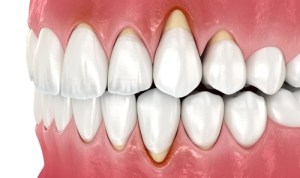
- Gums that look like they are pulling away slightly. Even in early stages, some patients notice a subtle change in how their gum tissue sits around their teeth.
If you have noticed one or more of these signs, it is a good time to schedule a visit. Early gum disease, known as gingivitis, is reversible when it is addressed promptly.
Signs Gum Disease Might Be Progressing
If early signs go unaddressed, gum disease can advance into periodontitis. The symptoms become more noticeable at this stage:
- Gums that have visibly receded, making teeth look longer than before
- Pockets forming between the teeth and gums where bacteria continue to collect
- Increased tooth sensitivity, particularly to hot, cold, or sweet foods
- Teeth that feel loose or have shifted in position
- Pain when chewing
- Persistent bad breath that does not improve
Periodontitis involves damage to the bone and tissue that support your teeth. Treatment at this stage is more involved, which is why earlier intervention matters so much.
How a General Dentist Treats Early Gum Disease
Dr. Mischissin provides gum disease evaluation and treatment as part of general dental care at Gentle Dental Care. Here is what you can expect:
- Thorough examination. At each visit, your gums are evaluated for signs of infection, inflammation, and recession. Measurements of the gum pockets around each tooth help track changes over time.
- Professional cleaning. A standard dental cleaning removes plaque and tartar from the surfaces of the teeth, including along the gumline. For patients with early gum disease, this is often the first and most important step.
- Scaling and root planing. When gum disease has progressed below the gumline, a deeper cleaning called scaling and root planing may be recommended. This procedure removes bacterial buildup from the root surfaces and helps the gum tissue heal and reattach. It is typically done with local anesthetic for comfort.
- Personalized home care guidance. Treatment does not end at the office. Dr. Mischissin takes time to walk patients through effective brushing and flossing techniques and any adjustments to their home routine that can support recovery.
- Periodontal maintenance. Patients with a history of gum disease often benefit from more frequent cleanings, typically every three to four months, to keep the condition from returning.
If you are looking for gum disease treatment in Cape May Court House, Gentle Dental Care offers personalized, attentive care in a comfortable setting.
How to Prevent Gum Disease
Prevention is always easier than treatment. These habits make a real difference:
- Brush twice daily. Use a soft-bristled toothbrush and fluoride toothpaste. Brush gently along the gumline, not just the tooth surfaces.
- Floss every day. Flossing removes plaque from between teeth and just below the gumline where your toothbrush cannot reach. This step is one of the most important things you can do for your gum health.
- Schedule regular dental cleanings. Professional cleanings remove tartar that cannot be taken care of at home. For most patients, visiting twice a year is enough. For patients with gum concerns, more frequent visits may be recommended.
- Avoid tobacco. Smoking and tobacco use significantly increase the risk of gum disease and make it harder for the gums to heal after treatment.
- Watch for dry mouth. Saliva helps rinse away bacteria. Certain medications, health conditions, and habits can reduce saliva flow. If you notice persistent dry mouth, mention it at your appointment.
- Manage systemic health. Conditions like diabetes and hormonal changes can affect gum health. Keeping these factors in check, often with the help of your primary care provider, supports your oral health as well.
Gum Disease FAQs
What Causes Gum Disease?
Gum disease is caused by bacteria in plaque, the filmy buildup that forms on teeth throughout the day. When plaque is not removed consistently through brushing, flossing, and professional cleanings, it hardens into tartar and the bacteria begin to irritate the gum tissue. Several factors can increase your risk, including inconsistent oral hygiene, smoking, dry mouth, certain medications, hormonal changes, diabetes, and a family history of gum problems.
Can Gum Disease Be Reversed?
In its earliest stage, gingivitis can absolutely be reversed. With a professional cleaning and improved home care, the gums can return to a healthy state. This is one reason why catching the signs early matters so much.
Once gum disease has advanced to periodontitis, the damage to bone and tissue cannot be fully reversed. However, it can be controlled and stabilized. With proper treatment and ongoing maintenance, most patients are able to keep the condition from worsening and protect their remaining teeth. The earlier treatment begins, the more favorable the outcome tends to be.
Is It Normal for Gums to Bleed When Brushing?
No. Gums that bleed regularly during brushing or flossing are a sign that something is off. Healthy gum tissue does not bleed in response to gentle cleaning. Occasional bleeding after being more aggressive than usual is different from consistent bleeding, which is worth discussing with Dr. Mischissin. Bleeding gums are one of the most common early signs of gingivitis and should not be ignored or assumed to be normal.
How Early Can Gum Disease Start?
Gum disease can develop at any age, though it becomes more common in adults. Gingivitis has been documented in teenagers and even younger children, particularly in cases where oral hygiene habits are inconsistent. Because early gum disease can begin without causing pain, regular dental visits from a young age play an important role in catching any concerns before they progress.
Can Brushing Too Hard Cause Gum Problems?
Yes. While brushing too little allows plaque to build up and cause disease, brushing too aggressively can cause its own problems. Overly hard brushing with a stiff-bristled toothbrush can wear down enamel, irritate the gum tissue, and contribute to gum recession over time. The goal is a gentle but thorough technique, using a soft-bristled brush at a slight angle toward the gumline. If you are unsure whether your technique is doing more good than harm, Dr. Mischissin and the team at Gentle Dental Care are happy to walk you through it at your next visit.
Ready to Take the Next Step?
Gum disease is common, but it does not have to become serious. If you have noticed any of the signs above, or if it has been a while since your last cleaning, reaching out is a straightforward and positive step.
Dr. Susan Mischissin and the team at Gentle Dental Care are here to help patients in Cape May Court House and the surrounding area maintain healthy gums and confident smiles. Whether you need a routine cleaning, a gum evaluation, or have questions about what you have been noticing, we are glad to help.
Contact our office to schedule your appointment. We would love to see you.